Mastering Natural Light with Sharks in the Bahamas
There’s nothing quite like photographing sharks in their natural environment, especially in the crystal-clear waters of the Bahamas. While strobes and artificial lighting are useful tools, many of the most striking shark photographs are taken using only natural light. Learning how to work with available sunlight not only simplifies your dive setup but also produces images that feel raw, authentic, and true to the underwater world.
At Tiger Beach, with its shallow sandy banks and year-round visibility, divers have the perfect opportunity to refine their natural light photography skills. Here’s how to master it.
1. Timing Is Everything: Harnessing the Sun

2. Positioning: Light Behind You, Not the Shark
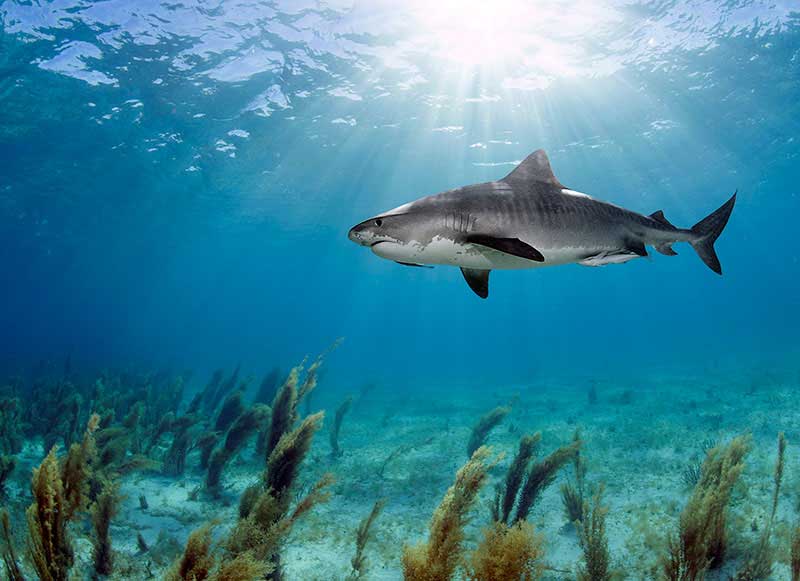
To maximize natural light, keep the sun at your back. This ensures your subject, the shark, is illuminated evenly. Shooting into the sun can result in silhouettes, which can be artistic but require careful planning to avoid losing detail.
Pro tip: Use silhouettes intentionally by framing sharks against the surface. This works especially well with hammerheads and reef sharks.
3. Depth and Water Clarity
Light diminishes quickly underwater. At Tiger Beach, most dives are 20–40 feet deep, which is ideal because there’s still plenty of usable sunlight. Clear Bahamian waters allow colors to pop, but remember: reds and oranges fade first. Stay shallow when possible to preserve natural color.
4. Backgrounds Matter
The sandy seabed at Tiger Beach reflects sunlight beautifully, brightening your images and reducing shadows. Position sharks against the sand for high-contrast shots, or angle upward to include the shimmering surface for more dynamic compositions.
5. Settings and Gear Adjustments
6. Creative Uses of Natural Light
Natural light photography pushes you to think differently about composition, timing, and positioning. In the Bahamas, especially at Tiger Beach, conditions couldn’t be more perfect for honing this skill. Whether you’re aiming for crisp documentary shots or dramatic artistry, working with sunlight brings out the raw beauty of sharks in their element.
❓FAQs
Midday (10 a.m.–2 p.m.) offers the brightest light, while early morning and late afternoon give softer, moodier tones.
No. The shallow, clear waters provide plenty of natural light, making strobes optional.
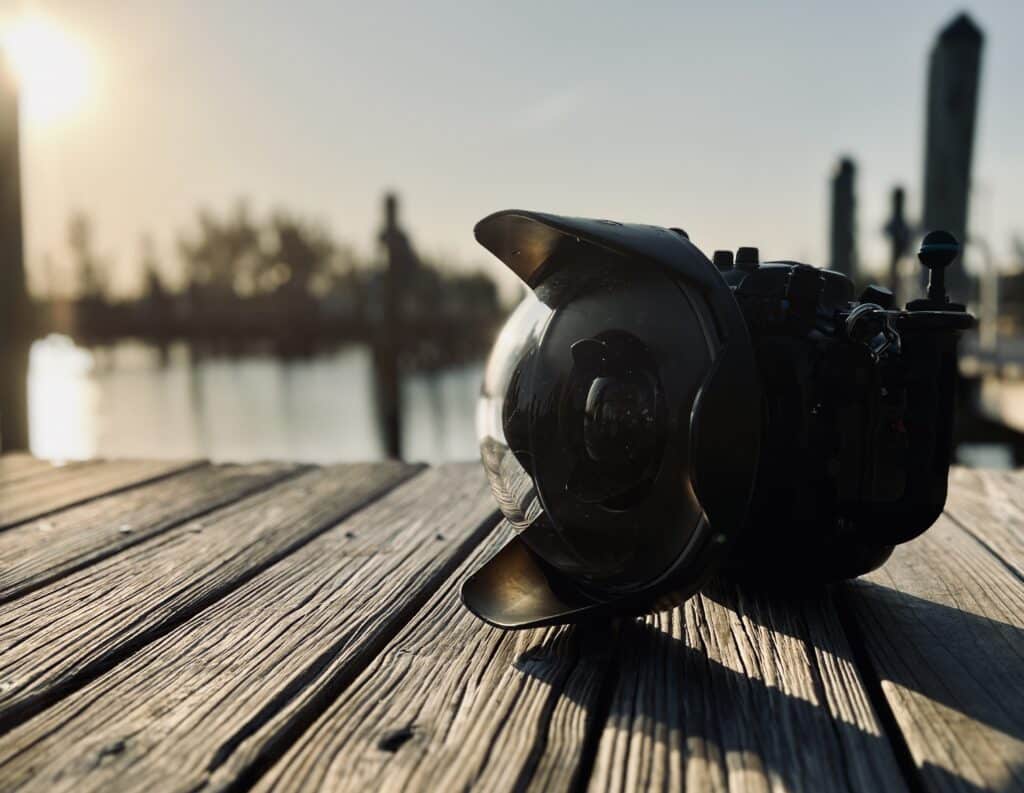
Use a wide-angle lens, manual mode with aperture f/8–f/11, shutter speed 1/125+, and low ISO (100–400).
Ready to put your skills into practice? Join us at Epic Diving for unforgettable shark encounters in the Bahamas, where every dive offers a chance to capture the perfect natural-light moment.
Join Us!