
Microbubbles & Silent Bubbles: What Divers Should Know
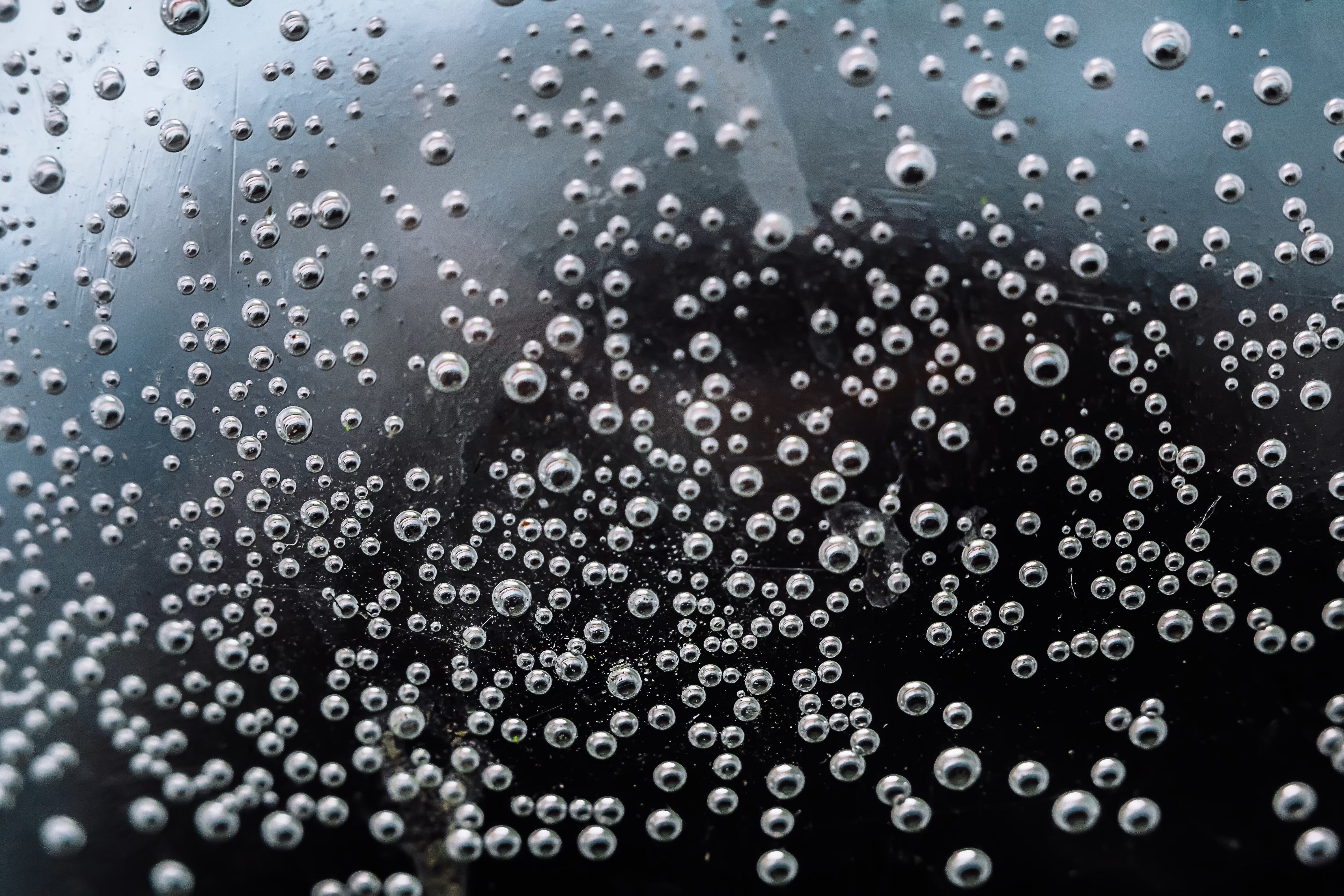
Every scuba diver is taught the importance of safe ascent rates and decompression practices. But what’s actually happening inside the body during and after a dive? A key part of the story lies in microbubbles and silent bubbles, tiny gas pockets that form when dissolved nitrogen leaves solution. While often harmless, these bubbles are linked to decompression sickness (DCS) and play a major role in diving physiology.
In this article, we’ll break down what these bubbles are, why they matter, and what divers can do to minimize their risks.
What Are Microbubbles?
Microbubbles are microscopic gas bubbles that form when nitrogen (or other inert gases) come out of solution in body tissues as pressure decreases during ascent. They are typically so small that they remain undetectable by standard medical imaging or dive computers.
Key characteristics:
What Are Silent Bubbles?
Silent bubbles are microbubbles that grow slightly larger, big enough to be detected with medical tools such as Doppler ultrasound but without causing obvious symptoms.
Why Do They Matter for Divers?
Even though most bubbles don’t cause problems, the presence of microbubbles and silent bubbles highlights the fine balance between safe diving and decompression stress.
Potential impacts include:
Factors That Increase Bubble Formation
Several factors make microbubbles and silent bubbles more likely:
How Divers Can Reduce the Risk
Divers can’t completely eliminate microbubbles, but they can minimize risks:
FAQs About Microbubbles and Silent Bubbles
Yes. Microbubble formation is considered a normal part of diving physiology. Safe diving practices help keep them small and manageable.
Silent bubbles don’t cause immediate problems but are a marker of decompression stress. Repeated or excessive silent bubbles may increase the risk of DCS.
No, but diving with nitrox while following air tables or air computer settings reduces nitrogen absorption and can lower bubble formation.
Yes. Good cardiovascular fitness and hydration improve circulation, which helps eliminate nitrogen more effectively.
Final Thoughts
Microbubbles and silent bubbles are a normal part of scuba diving physiology, but they remind us why ascent control and decompression practices matter so much. By diving conservatively, staying hydrated, and avoiding unnecessary risks, divers can reduce bubble formation and keep dives both safe and enjoyable.
At Epic Diving, we emphasize not just the thrill of shark diving, but also the science and safety behind every dive. Understanding what’s happening inside your body helps ensure you can enjoy many more dives at Tiger Beach and beyond.
Learn more by checking out Divers Alert Network (DAN) article on decompression stress.


