
Shallow Water Blackout: Risks for Freedivers & Scuba Divers
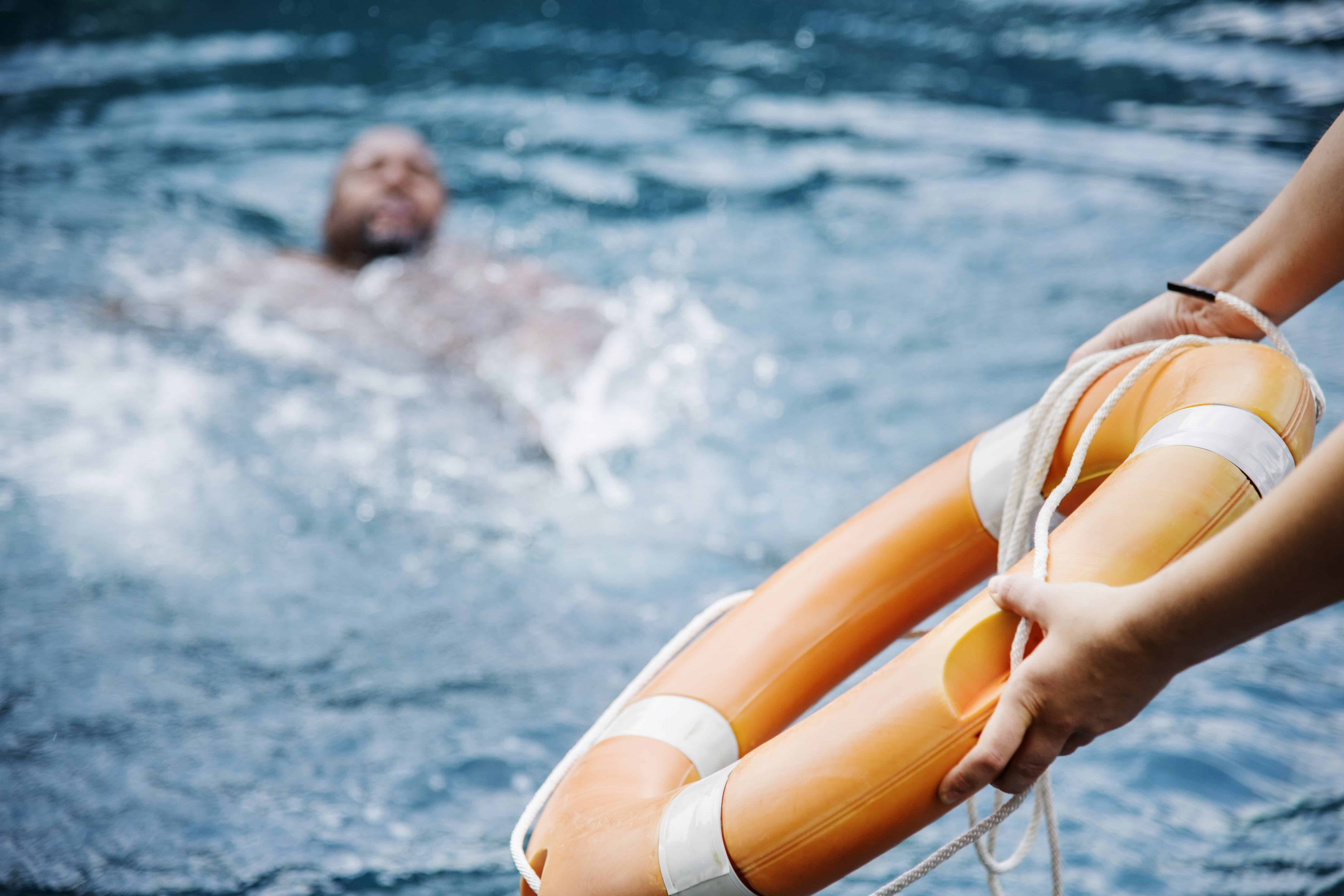
Shallow water blackout (SWB) is one of the most misunderstood—and dangerous—physiological risks associated with diving. Often linked to freediving, it can also pose risks to scuba divers under certain conditions. Unlike equipment failures or environmental hazards, shallow water blackout happens silently, with little warning, making education and awareness critical for diver safety.
What Is Shallow Water Blackout?
This phenomenon occurs when a diver loses consciousness due to insufficient oxygen reaching the brain. This typically happens near the surface or during ascent, even though the diver may not feel short of breath beforehand. The condition is caused by a sudden drop in oxygen partial pressure, not by a buildup of carbon dioxide.
Because the body’s urge to breathe is driven primarily by rising CO₂ levels—not falling oxygen levels—a diver can black out without realizing they are in danger.
The Physiology Behind It
At depth, increased pressure allows oxygen to dissolve more readily into the bloodstream. As a diver ascends and pressure decreases, the partial pressure of oxygen drops rapidly. If oxygen levels fall below what the brain needs to remain conscious, blackout can occur—often within seconds.
Hyperventilation before a dive greatly increases this risk. By lowering carbon dioxide levels, hyperventilation delays the urge to breathe without increasing oxygen reserves, creating a dangerous imbalance that can lead to sudden loss of consciousness.
Shallow Water Blackout in Freediving
Freedivers are at the highest risk for SWB particularly during breath-hold dives. The danger is greatest:
- During ascent from depth
- In the final moments near the surface
- After repeated dives with short surface intervals
Because freedivers rely entirely on a single breath, careful breath control, proper recovery breathing, and strict buddy protocols are essential for safety.
Can Scuba Divers Experience Shallow Water Blackout?
While less common, SWB can affect scuba divers under specific circumstances. Rapid ascents, breath-holding, skip breathing, or extended breath control—sometimes practiced to conserve air—can contribute to oxygen deprivation.
In rare cases, aggressive breathing patterns or exertion combined with low gas reserves may increase blackout risk near the surface. This reinforces why slow ascents, continuous breathing, and proper gas management are fundamental scuba safety principles.
Warning Signs and Why They’re Often Missed
One of the most dangerous aspects of shallow water blackout is the lack of clear warning signs. Divers may feel calm, focused, or even euphoric before losing consciousness. Subtle indicators can include:
- Tunnel vision
- Dizziness or lightheadedness
- Tingling sensations
- Sudden fatigue
Unfortunately, these signs may appear only moments before blackout—or not at all.
Prevention Strategies
Preventing shallow water blackout relies on disciplined diving practices and strong situational awareness:
- Never hyperventilate before or during a dive
- Maintain slow, controlled breathing
- Use proper buddy systems and active monitoring
- Avoid breath-holding on ascent
- Allow adequate surface intervals between dives
- Prioritize conservative dive profiles
Education and adherence to training standards remain the most effective safeguards.
Why Awareness Matters
Shallow water blackout is entirely preventable, yet it continues to claim lives due to misinformation and complacency. Understanding the physiology behind it empowers divers to make safer decisions, protect their dive partners, and recognize risky behaviors before they escalate into emergencies.
FAQs
No. SWB causes loss of consciousness, which can lead to drowning if the diver is underwater and unsupported.
It may delay the urge to breathe, but it does not increase oxygen levels and significantly raises blackout risk.
Yes. It can occur in pools, shallow water, or the ocean, particularly during breath-hold activities.
No. Experience does not eliminate the physiological risk. Even highly trained divers can be affected if safety protocols are ignored.
By maintaining visual contact, monitoring behavior, and being prepared to assist immediately if a diver shows signs of distress.


