
Shark Senses: The Complete Guide to How Sharks Experience the Ocean
Complete Guide to Shark Senses
Here’s a complete guide to shark senses. Sharks are some of the ocean’s most efficient hunters, but it’s not just teeth and power that make them apex predators. Their true advantage lies in a remarkable set of senses, each adapted to life in the sea. From detecting the faintest drop of blood to sensing hidden prey with electroreception, sharks rely on a finely tuned sensory system that has evolved over hundreds of millions of years.
This complete guide to shark senses explores how sharks smell, see, hear, touch, taste, and even detect electricity. Dive in to discover the science behind these adaptations and what they mean for divers and conservation.
The Six Senses of Sharks
1. Smell (Olfaction)
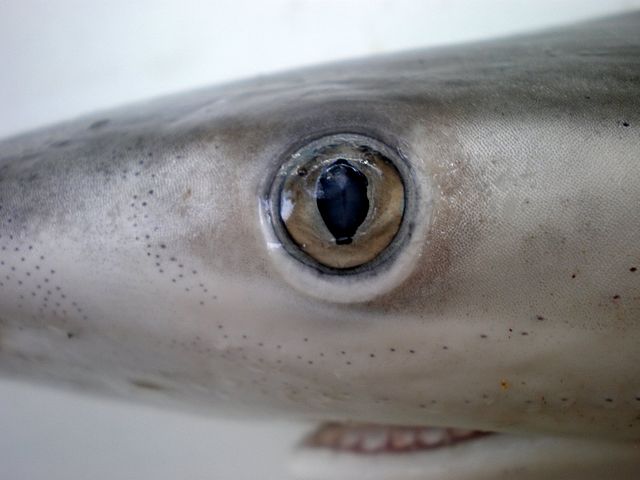
2. Vision
3. Hearing
4. Touch (Lateral Line System)
- Sharks’ lateral line detects vibrations and movement in the water.
- It allows them to track prey even in murky or dark conditions.
5. Taste
6. Electroreception (Ampullae of Lorenzini)
Why Shark Senses Matter
Conclusion: Guide to Shark Senses
Sharks don’t just rely on one “super sense.” Instead, they use a layered sensory system: hearing and smell for long-range detection, vision and touch for mid-range confirmation, and electroreception for final close-range strikes.
For divers, this knowledge transforms encounters from moments of fear to experiences of awe. And for scientists and conservationists, it highlights the importance of protecting not only sharks but also the sensory world they depend on.
Want Even More? Check out this article from the Smithsonian
FAQs
Sharks have six main senses: smell, vision, hearing, touch (lateral line), taste, and electroreception.
Smell and hearing are the most powerful long-range senses, while electroreception is unmatched at close range.
No. Sharks use multiple senses together — smell and hearing may draw them in, but vision and electroreception confirm prey before a strike.
Yes. Noise pollution, chemical pollution, and habitat damage can all interfere with sharks’ ability to use their senses effectively.


