The Sixth Sense: How Sharks Detect Electric Fields
Introduction
Sharks are often described as having a sixth sense, the ability to detect electric fields in the ocean. This remarkable adaptation, called electroreception, allows sharks to locate prey hidden in sand, sense muscle contractions, and even navigate across vast distances.
In this installment of Shark Science Explained, we’ll explore how sharks detect electric signals, what role the ampullae of Lorenzini play, and why this sense is so important for both survival and encounters with divers.
The Myth: Sharks Rely Only on Smell to Hunt
It’s true that sharks have an exceptional sense of smell, but they don’t rely on it alone. When a shark gets close to potential prey, electroreception becomes its most precise hunting tool. This sixth sense allows sharks to pinpoint living animals, even when hidden from view.
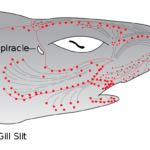
What Are the Ampullae of Lorenzini?
This network of sensors makes sharks some of the most finely tuned hunters in the ocean.

How Sharks Use Electroreception
- Locating Prey: Sharks can detect the faint bioelectric signals from muscle contractions and heartbeats, even if prey is buried under sand.
- Navigating Oceans: Research suggests sharks may use Earth’s magnetic field, detected through electroreception, to orient themselves during long migrations.
- Close Encounters: When sharks circle or approach divers, they may be using electroreception to investigate the small electric fields generated by dive gear, cameras, or even muscle movement.
Practical Examples Divers See
Why Electroreception Matters
Electroreception is one of the most ancient and effective survival tools in the animal kingdom. For sharks, it:
For divers, understanding this sense explains much of shark behavior, including why they sometimes make close, curious passes.
Conclusion
Sharks’ ability to detect electric fields through the ampullae of Lorenzini gives them a true sixth sense. Far from being fearsome or mysterious, this adaptation highlights their evolutionary brilliance.
For divers, appreciating this sense helps transform encounters from intimidating to awe-inspiring, reminding us that sharks are not only powerful predators but also extraordinary survivors with unique biology.
FAQs
They are special sensory organs located on a shark’s head that detect tiny electric fields from living organisms.
Yes. Sharks can detect the faint electric signals from human muscle contractions and even dive equipment, though this usually only triggers curiosity.
Yes, all sharks and rays possess ampullae of Lorenzini, though the sensitivity and number vary by species.
Their wide, flat heads are packed with electroreceptors, making them especially effective at locating stingrays buried under sand.