
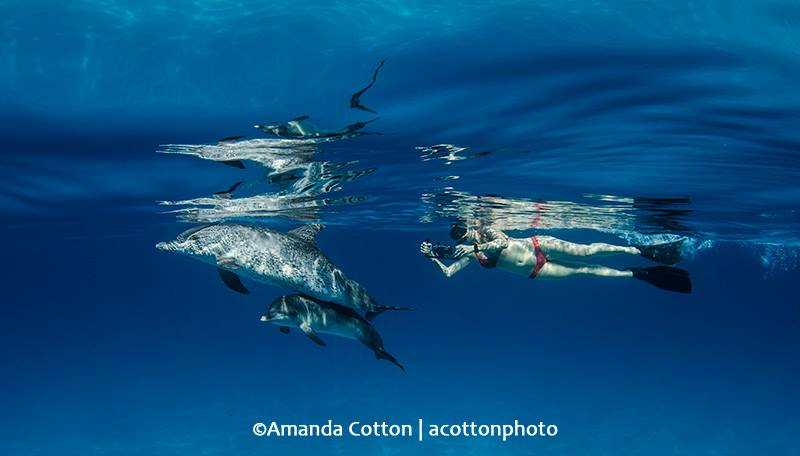
Atlantic Spotted Dolphin: Behavior, Habitat & Snorkel Encounters
The Atlantic spotted dolphin (Stenella frontalis) is a charismatic marine mammal known for its playful spirit, stunning spot patterns, and strong presence in the warm Caribbean and Bahamian waters. At Epic Diving, swim-with experiences offer guests a chance to see these intelligent dolphins up close. This profile explores their biology, habitat, behavior, conservation status, and practical tips for diving/swimming with them.
Identification & Physical Appearance
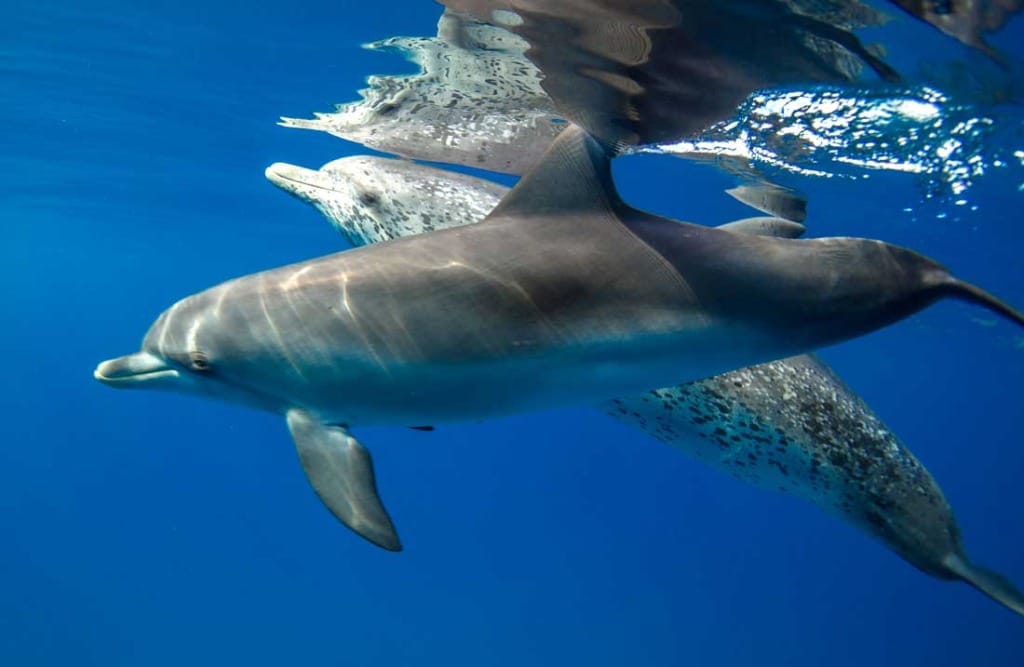
Behavior & Social Structure
- Social Groups: Usually in pods of under 50, but larger groups (up to ~200) are sometimes observed.
- Surface Behavior: They are acrobatic — breaching, jumping, bow riding are common. Fast swimmers, often curious around boats.
- Diving Behavior: Typically dive to ~30 ft (≈10 m) for 2-6 minutes, but can go deeper (40-60 m / 130-200 ft) and hold breath for up to ~10 minutes.
Range & Habitat
Conservation Status
Swim-With Encounters & Tips for Divers
Conclusion
Atlantic spotted dolphins bring joy, energy, and a sense of wonder to every ocean encounter. Their changing spots, playful behavior, and sociable nature make them among the most beloved ocean animals for divers and swimmers alike.
At Epic Diving, swim-with experiences with spotted dolphins are more than just a dream — they are a chance to connect with these incredible creatures in their natural environment. Updating this profile with fresh info, precise conservation context, and clear tips makes it more valuable both to new visitors and returning guests.
FAQ Section: Atlantic Spotted Dolphin
No. They are known for being friendly and playful around swimmers. While they are wild animals, interactions are generally safe when done responsibly and respectfully.
Dolphins are born spot-free. Spotting begins around age 4, and as they mature, the spots become denser and more pronounced.
While typical dives are shallow (2-6 minutes), Atlantic spotted dolphins have been recorded diving to around 130-200 ft (40-60 m) and holding their breath for up to 10 minutes.
The Bahamas — especially around Bimini and similar warm tropical areas — are good places to see them. Calm, clear water nearshore gives better chances.




How much is this trip pls. Between 9th-20th Feb.